
Tag Archive for: workforce

2025 Review: A Year of Growth, Achievement & Community

2025 Review: A Year of Growth, Achievement & Community
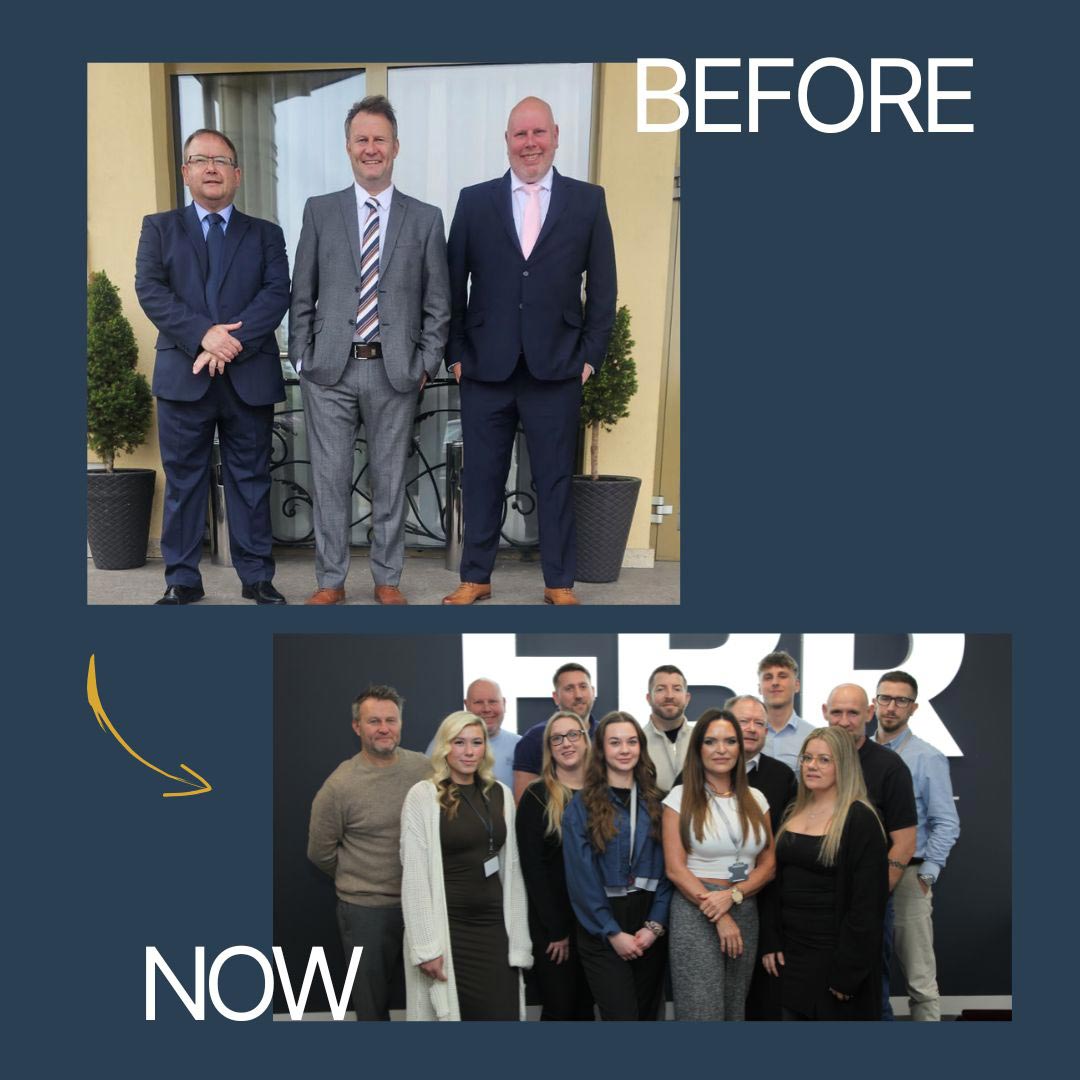
As we reach the end of another successful year, December is the perfect moment to reflect on everything we’ve achieved throughout 2025. It’s been a year filled with growth, community involvement, brilliant team milestones, and strengthened partnerships across the construction industry. Here’s a look back at what has made this year so memorable for FBR Recruitment.

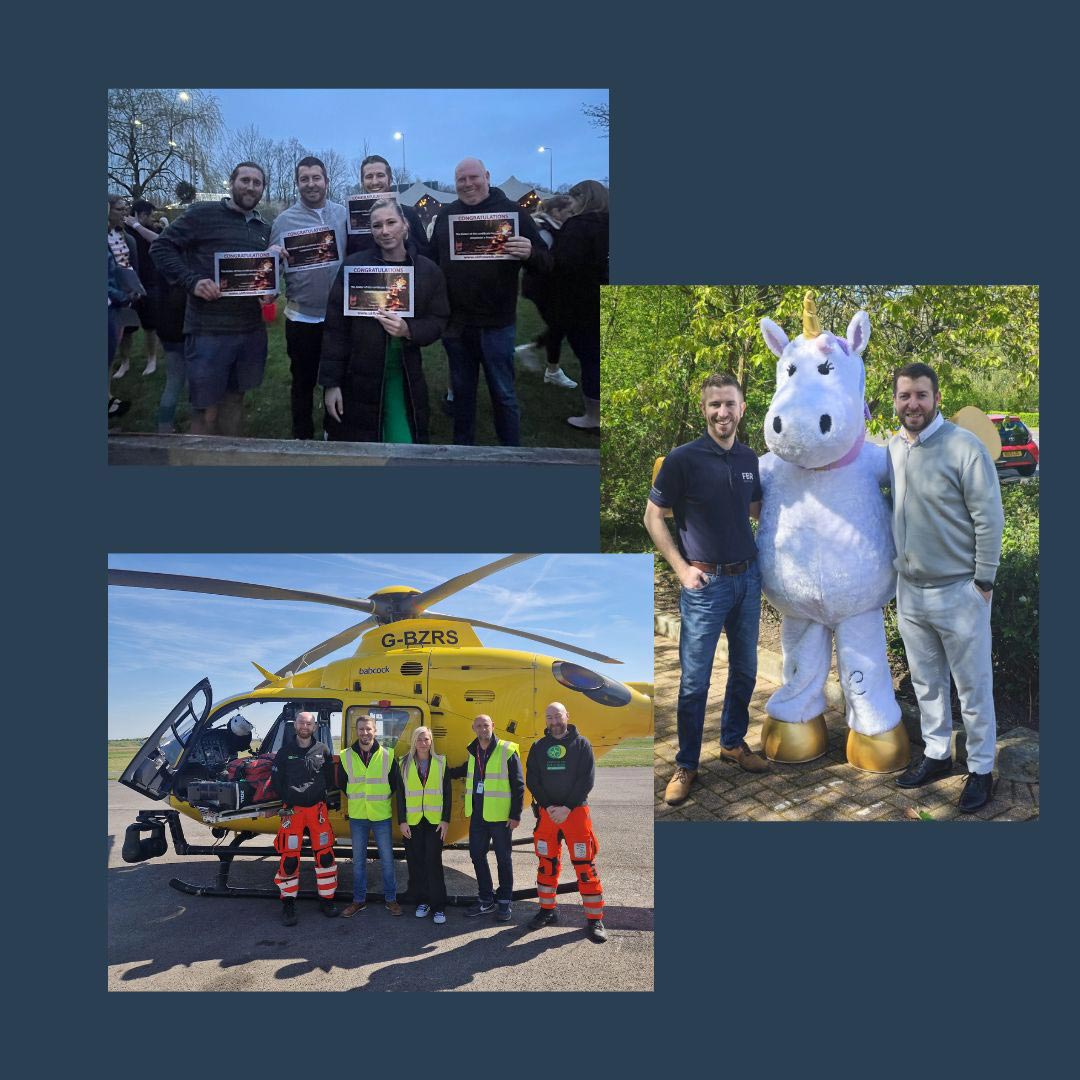
Supporting Hampshire & Isle of Wight Air Ambulance – Our Charity of the Year

One of our proudest achievements in 2025 has been partnering with Hampshire and Isle of Wight Air Ambulance as our Charity of the Year. We set out with a fundraising target of £4,000, but thanks to the amazing efforts of our team and supporters, we exceeded this goal, raising an incredible £4,973 so far.

Our fundraising highlights included:

  • Our first ever Charity Golf Day, which was a huge success.
  • A team 18km walk from Hengistbury Head to Bournemouth Pier and back.
  • Monthly bake-offs and our competitive pool tournament.
  • Our director, Tom completing both the New Forest Marathon and the Bournemouth Marathon, with two more planned next year in Cyprus and Santa Pola.
  • The team signing up for an 8km trail run around Queen Elizabeth Country Park.

We’re incredibly proud of the dedication shown by everyone involved and grateful to those who donated and supported us throughout the year.

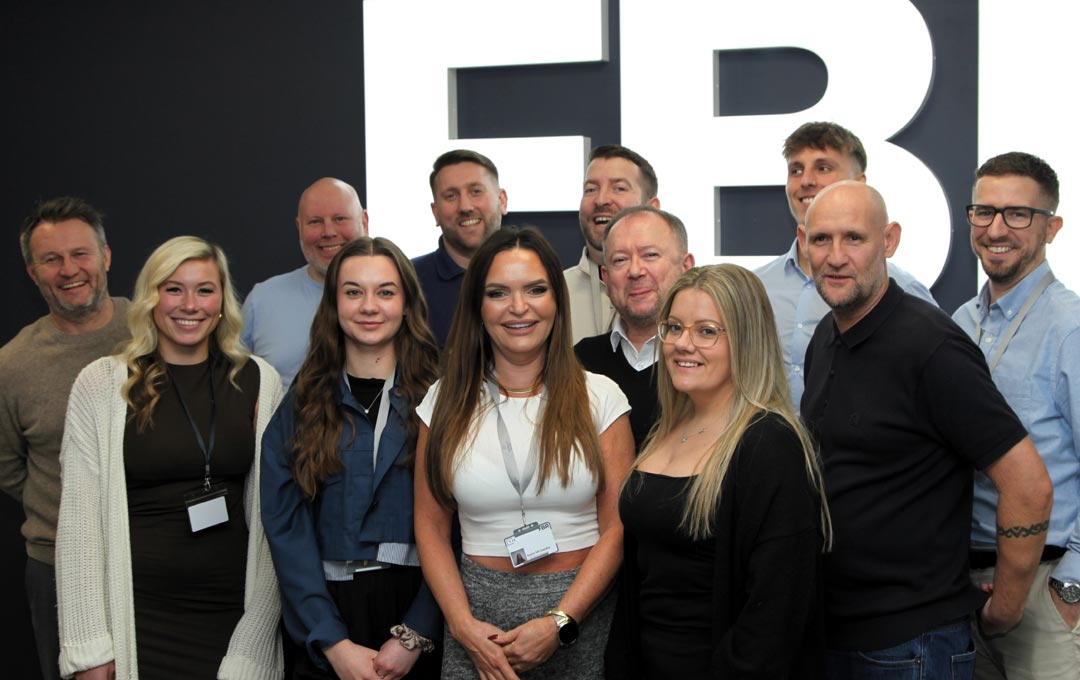
Welcoming New Faces to the FBR Team

This year we were delighted to welcome three fantastic new team members who have each made a brilliant impact:

  • Tiffany Kinsey, Recruitment Consultant for Housing Developers
  • Sam Blythin, Recruitment Consultant for Main Contracting
  • Kinga Kot, Resource Consultant

They’ve all settled in seamlessly, adding fresh energy, expertise, and passion to the team. We’re excited to see their continued growth in 2026.

Recognition at the REC Awards

A standout highlight of 2025 was being shortlisted for “Best Company to Work For – Under 20 Employees” at the REC Awards. We had a fantastic team night in London celebrating the achievement and recognising the hard work that goes on behind the scenes every day.

This shortlist is a testament to our culture, team spirit, and commitment to continuous improvement.

Strengthening Relationships with Clients & Candidates

Throughout the year, we have continued to deepen our relationships across the construction industry. We’ve placed many candidates in roles perfectly suited to their skills and aspirations and supported numerous sites and clients with reliable, high-quality skilled workers. Visiting client sites has helped us better understand project needs and requirements, allowing us to provide tailored recruitment solutions for niche roles. We also offer ongoing support for candidates’ post-placement, from training advice to career guidance and performance check-ins.

We’re grateful for the trust placed in us and look forward to further strengthening these partnerships in 2026. Our commitment remains the same: to deliver honest, reliable, and effective recruitment solutions for every role.

Growing Our Online Presence & Industry Insights

Our social media channels have been busier than ever this year. We’ve shared:

  • Industry updates and FBR business insights
  • Consultant spotlight months, including sector-specific infographics
  • Video interviews and Q&As
  • Job role tips and guidance

These initiatives have helped clients and candidates gain a clearer understanding of who we are, how our consultants work, and the value we bring to the recruitment process.

Celebrating Milestones & Supporting Our Team

At FBR, our people are at the heart of everything we do. In 2025, we have:

  • Celebrated employee milestones, anniversaries, and birthdays
  • Supported learning, development, and upskilling across the team
  • Hosted our first FBR Family & Friends BBQ, bringing everyone together for a day of fun, connection, and celebrating our achievements

Building a strong internal culture continues to be one of our top priorities and 2025 has been a brilliant example of what we can achieve together.

Looking Ahead to 2026

As we move into 2026, we’re excited to continue working with both new and longstanding partners across the construction industry. Whether you’re looking for work, planning your next hire, or want to discuss your recruitment strategy for the year ahead, we’re here to help.

We’d be happy to visit your site, arrange a meeting, or simply have a conversation about how we can support you. Here’s to another successful year, bring on 2026!

Partner with FBR Recruitment

FBR Recruitment is a trusted specialist in construction recruitment, matching skilled tradespeople and experienced professionals with leading construction companies, developers, and consultancies across the UK. Leveraging extensive industry expertise and a tailored approach, we support businesses in hiring the right talent across all levels—from trades and labourers to site supervisors and commercial teams. Understanding the unique demands of construction staffing, we deliver customised recruitment solutions that drive lasting results. Explore our website to view current job opportunities, learn more about our recruitment services, or connect with our expert team to find the talent your business requires.

Work with FBR Recruitment

FBR Recruitment is a leading name in construction staffing, connecting skilled workers and experienced professionals with top construction firms, developers, and consultancies across the UK. With deep industry knowledge and a personalised approach, we help businesses hire the right people at every level, from trades and labourers to site managers and commercial teams. We know the challenges of construction recruitment and provide bespoke staffing solutions designed to deliver long-term results.

Explore our website to view current job opportunities, learn more about our recruitment services, or connect with our expert team to find the talent your business requires.

7 Questions You Should Ask a Recruiter Before Spending Money on Them - November Blog Post by FBR

7 Questions You Should Ask a Recruiter Before Spending Money on Them - November Blog Post by FBR
Hiring the right talent is one of the most important decisions a business can make and the wrong hire can be costly. That’s why many companies turn to recruiters for help. But the truth is, not all recruiters provide the same level of service, and some charge significant fees without delivering real results.

Before you invest in recruitment support, it’s essential to ask the right questions. Doing so not only protects your budget but also ensures you’re partnering with someone who will genuinely add value. Here’s a breakdown of the seven key questions and how FBR stands apart in each area.

1. What specific services am I paying for?

Too often, recruiters offer vague packages that leave clients unsure about what they’re actually getting. Are you paying for CV screening, candidate outreach, advertising, or full end-to-end recruitment?
Tip: Ask for a detailed breakdown of services and the associated costs. If a recruiter can’t clearly explain what’s included, that’s a warning sign.

How FBR stands out:
We provide full transparency from the start. Our clients know exactly what services they’re getting, from advertising roles and headhunting candidates to interview coordination and ongoing support. There are no hidden fees or surprise charges, just clear, accountable recruitment.

2. What experience do you have in my industry?

Every industry has its own nuances, whether it’s compliance requirements, salary benchmarks, or the soft skills that really matter. A recruiter without experience in your sector can waste weeks and still deliver poor-fit candidates.
Tip: Request specific examples of placements in your field and ask about any challenges they overcame.

How FBR stands out:
FBR focuses on industries where we have proven expertise. We understand what makes a candidate succeed in your sector, which reduces time-to-hire and improves long-term retention. Our clients benefit from our deep industry knowledge, not just a generic hiring service.

3. How do you source your candidates?

Some recruiters simply post job ads and wait for applicants. Others proactively headhunt the best talent from their networks.
Tip: Ask about their sourcing strategy. Are they leveraging social networks like LinkedIn, tapping into passive talent pools, or relying mainly on job boards?

How FBR stands out:
We combine multiple sourcing strategies tailored to each role. Whether it’s targeted outreach to passive candidates or using our extensive network to find hidden talent, we don’t rely on chance, we deliver results.

4. What is your success rate?

Paying a fee without evidence of results is risky. You deserve to know whether the recruiter can actually deliver the hires you need.
Tip: Ask for data on placements, time-to-fill, and candidate retention. A professional recruiter will share this openly.

How FBR stands out:
Transparency is at our core. We provide clear metrics for our success, including average time-to-fill and long-term retention rates. Many of our clients return to us for repeat hiring because we consistently deliver.

5. How do you ensure the candidates you present are the right fit?

Finding a candidate who simply meets the job description isn’t enough, they need to fit your team and company culture too.
Tip: Ask how the recruiter assesses candidate skills, experience, and personality to make sure they match both the role and your company.

How FBR stands out:
We take a consultative approach, getting to know your business, team, and values before recommending candidates. By combining detailed screening, in-depth interviews, and industry insight, we focus on quality over quantity, helping you find candidates who truly fit and thrive in your organisation.

6. What communication can I expect from you?

Poor communication can make even a great recruiter frustrating to work with. Updates should be timely, clear, and consistent.
Tip: Ask about expected response times, how often updates are given, and whether there’s a single point of contact.

How FBR stands out:
We value transparent, proactive communication. Clients have one dedicated contact and regular updates throughout the recruitment process. You’ll never have to chase for information or wonder what’s happening behind the scenes.

7. Can I speak to previous clients?

Reputation matters. A good recruiter should welcome the chance to connect you with satisfied clients.
Tip: Ask for references and read testimonials carefully. Look for clients in similar industries or roles.

How FBR stands out:
We proudly share client feedback and success stories. Many of our clients continue working with us year after year, which is a strong indicator of trust, reliability, and results.

Bonus Tip: Trust Your Instincts
Even if a recruiter answers all the right questions, it’s important to consider how you feel about working with them. Do they listen? Do they seem genuinely invested in your success? Chemistry and trust are just as important as metrics and guarantees.

Why Choosing the Right Recruiter Matters

Recruitment is about more than just filling a role; it’s about building a team that drives your business forward. Asking the right questions ensures you avoid costly mistakes and partner with someone who truly understands your needs.

At FBR, we combine industry expertise, proactive sourcing, and transparent communication to make every hire a success. We don’t just place candidates, we build long-term partnerships with our clients, delivering talent that fits both the role and your company culture. With FBR, you’re not just hiring a recruiter; you’re gaining a trusted partner committed to your growth.

Work with FBR Recruitment

FBR Recruitment is a leading name in construction staffing, connecting skilled workers and experienced professionals with top construction firms, developers, and consultancies across the UK. With deep industry knowledge and a personalised approach, we help businesses hire the right people at every level, from trades and labourers to site managers and commercial teams. We know the challenges of construction recruitment and provide bespoke staffing solutions designed to deliver long-term results. Visit our website to browse current roles, discover our range of recruitment services, or speak to our expert team to start finding the talent your business needs.

Top Construction Trends Heading into 2026

Top Construction Trends Heading into 2026
As we approach 2026, the UK construction industry is finely balanced between opportunity and challenge. With changing regulations, rising expectations for sustainability, labour pressures, and accelerating technological innovation, firms that anticipate and adapt will gain a competitive edge.

Here are the key trends shaping construction next year.

1. Modest Growth, But Uneven

  • Total construction output in the UK is forecast to rise by 3.7% in 2026 following lower growth in 2025.
  • The growth won’t be uniform across sectors: private housing (especially new builds), housing repair, maintenance & improvement (RM&I), and infrastructure are set to lead.
  • Public non-residential and industrial sectors are forecasted to improve, though growth rates are more modest.

Why it matters: Companies need to choose their focus wisely, aligning with sectors that are expanding rather than over-investing in stagnant ones.

2. Sustainability & Net Zero Driving Material Choice & Design

  • There’s increasing pressure from government regulation, clients, and investors for buildings to meet higher sustainability standards: energy efficiency, low carbon emissions, and greener materials.
  • Sustainable / low-carbon materials like engineered timber, recycled steel, and alternative concretes are becoming more common. Modular and prefabricated methods often enable better efficiencies and less waste.
  • Retrofitting existing buildings (updating insulation, changing heating systems, improving glazing) is growing as an important trend, it can deliver carbon reduction without the environmental cost of new builds.

3. Shift Towards Off-Site Construction & Modern Methods

  • Modern Methods of Construction (MMC), modular build, and off-site techniques are being used more to speed up delivery, reduce onsite labour, better manage quality, and reduce waste.
  • These methods also help with supply chain issues and reduce disruptions from weather or site constraints.

4. Digital Transformation: AI, BIM, and Beyond

  • Building Information Modelling (BIM) continues to deepen its role. More clients (and regulators) expect Level 2+ BIM as standard, and digital twins are increasingly used for planning, monitoring, and maintenance forecasting.
  • AI, machine learning, and analytics are being adopted for better decision making, cost estimation, safety risk prediction, optimising design and supply chains.
  • Other technologies like drones (for site surveillance, inspections), VR/AR (for design visualisation, stakeholder engagement) are becoming more mainstream.

5. Labour & Skills Challenges

  • The workforce shortage continues to be one of the industry’s biggest headwinds. There are tens of thousands of vacancies and a demographic gap as many experienced workers approach retirement.
  • Apprenticeship uptake is not keeping pace with demand. Alongside recruitment, upskilling and reskilling (especially in digital skills, MMC, sustainability) are critical.
  • Firms with good workforce strategies, flexible work, diversity, better safety and wellbeing are likely to win out.

6. Regulatory & Cost Pressures

  • Regulatory compliance is getting more complex through energy performance, building safety, environmental impact and planning delays. Firms must build in extra headroom for time and cost.
  • Building materials and labour costs are forecast to rise (some estimates see materials like timber, insulation, steel going up significantly through to 2030).
  • Inflation, supply chain constraints, and higher borrowing / financing costs will all squeeze margins.

7. The Rise of Infrastructure & Data Centres

  • There is strong public and private sector investment in infrastructure (roads, bridges, utilities) and in digital infrastructure (data centres), driven by demands for connectivity, cloud services, AI, etc.
  • These projects often have high barriers to entry but offer stable returns and long-term contracts. Good opportunities for firms that can meet regulatory, technical, and environmental demands.

1. Invest in Skills & Training. Upskill staff in digital tools, MMC, sustainable materials. Build better apprenticeship pipelines.
2. Adopt Digital & Collaborative Tools Early. Firms that are slow to adapt to BIM, digital twin, AI risk being left behind or delivering less efficiently.
3. Think Strategically About Material Costs & Suppliers. Lock in suppliers early, seek local/low-carbon sources, consider the full lifecycle cost, not just upfront.
4. Focus on Retrofitting & Refurbishment. Especially in regions with older building stock; these projects often have better regulatory & financial support, and carry sustainability benefits.
5. Stay Ahead of Regulatory Change. Track upcoming building safety, environmental, tax, and planning reforms. Incorporate contingencies into planning and contracts.
6. Diversify Sector Exposure. If you currently rely only on residential new builds, it may make sense to also consider RM&I, infrastructure, digital infrastructure etc., to stabilise cashflow and mitigate risk.

Conclusion

Heading into 2026, the construction sector is evolving fast. Firms that blend sustainability, digital innovation, efficient building methods, resilient supply chains, and a skilled workforce will be best placed to thrive.

Construction Jobs and Career Support You Can Rely On

Finding steady, rewarding work in construction takes more than experience alone, it’s about preparation, presentation, and having the right support behind you. At FBR Recruitment, we do more than place candidates into roles. We guide tradespeople, labourers, site managers, and commercial professionals towards opportunities that help them grow and succeed long term.

With our deep knowledge of the construction industry and a people-first approach, we match skilled talent with employers who value reliability and expertise. Whether you’re seeking hands-on site work or progressing into management, our team delivers tailored recruitment solutions designed to fit your goals.

Explore our current construction vacancies, learn how we partner with businesses to solve staffing challenges, or connect with one of our dedicated consultants for expert advice.

No matter where you are in your career journey, FBR is here to help you take the next step.

Looking to move forward?

Register with FBR Recruitment today or give us a call to speak directly with our team of construction recruitment specialists.

Tips for Securing a Job in Trades and Labour by FBR Recruitment AgencyThe construction industry is full of opportunity, if you’re willing to put the work in. Whether you’re just starting out or looking for your next placement, knowing how to stand out in a competitive trades and labour market can make all the difference.

At FBR, we place candidates into a wide range of roles across the UK construction industry every day. From general labourers to highly skilled tradespeople and site managers, we’ve seen first-hand what it takes to get hired, and keep getting hired.

Here are our top tips for securing your next job in trades and labour, and making a lasting impression on site:

1. Be Specific

One of the most common mistakes we see is candidates applying without clearly stating what they’re looking for. The more specific you are, the easier it is for recruiters and site managers to place you quickly and accurately.

When calling or applying, be clear about:

  • The exact role you’re looking for.
  • Your recent experience and relevant qualifications.
  • Your availability to start.
  • Your preferred locations.
  • Whether you have your own transport.
  • Your expectations around pay and shifts.

This not only shows that you’re serious and prepared, it also helps us match you with jobs that suit your skills, preferences, and goals.

2. Be Prepared

Turning up to site properly equipped is an easy win that many overlook. It signals professionalism and a proactive mindset, two qualities that site managers love to see.

What you should have ready:

  • Basic PPE: safety boots, gloves, high-vis vest, hard hat.
  • Photo ID (passport or driving licence).
  • CSCS card (if the job requires it).
  • Your own tools if applying for skilled trades (carpenter, painter, etc.).
  • Right to work documentation, if applicable.

Having everything ready means fewer delays, smoother onboarding, and more chances of being offered repeat work.

3. Be Reliable

This one sounds simple, but it’s vital. Reliability is one of the top qualities’ employers look for in trades and labour roles. If you say you’ll turn up, show up. If you say you can do the work, deliver.

What reliability looks like:

  • Turning up on time (or early!).
  • Following site instructions.
  • Being respectful to supervisors and other workers.
  • Taking pride in your work.
  • Completing tasks efficiently and safely.
  • Notifying your recruiter or employer in advance if you can’t make it.

Build a reputation as someone dependable, and you’ll never be short of opportunities.

4. Be Proactive

Get your paperwork in order before you start applying. Having strong references ready to go will set you apart and speed up the hiring process.

Tips on references:

  • Choose referees who can vouch for your work on-site (former employers, supervisors, or team leads).
  • Always check with them first so they’re expecting a call.
  • Make sure their contact details are up-to-date.
  • Let them know which roles you’re applying for, so they can tailor their feedback if needed.

Bonus tip: Have an up-to-date CV ready to send when applying, especially for longer-term or specialist roles. We’re happy to help you with this if needed!

5. Understand the Roles Available

At FBR, we’re currently recruiting for a wide range of trades and labour roles. Whether you’re looking for short-term, long-term, or freelance work, we have opportunities to match your skills and experience.

Here are just some of the roles we’re hiring for right now:

  • CSCS Labourer.
  • CSCS Skilled Labourer.
  • CSCS Gate Person / Traffic Marshal.
  • CSCS Carpenter / Joiner.
  • CSCS Painter & Decorator.
  • CSCS Dry-Liner / Ceiling Fixer.
  • CSCS Handyman.
  • CSCS Multi-Trader.
  • CSCS Telehandler.
  • Freelance Site Manager.

Looking for something specific? Get in touch with our team and we’ll help you find the right role for your skills and goals.

Build Your Future with FBR

Securing regular, reliable work in construction isn’t just about what’s on your CV, it’s about how you show up, how prepared you are, and how well you communicate. At FBR, we work closely with our candidates to not only find them great jobs, but to help them build lasting careers. With real-world industry insight and a people-focused approach, we provide expert recruitment services for every level, from skilled trades and labourers to site supervisors, project managers, and commercial teams. We know the challenges the construction sector faces and deliver tailored staffing solutions designed for long-term success. Visit our website to browse live construction job opportunities, discover how we support employers, or speak with one of our knowledgeable consultants today.

Whether you’re just getting started in construction or looking for your next role, we’re here to help.

Ready to get to work?

Register your details with FBR Recruitment today or call us directly to speak with one of our expert consultants.

Luke - Mechanical & Electrical Division, FBR Recruitment.

Spotlight on Luke Wing: Expertise in FBR’s Mechanical & Electrical Sector This month, we shone a spotlight on our Mechanical & Electrical (M&E) consultant, Luke Wing, and the incredible work he does in this vital sector of construction.

Meet Luke Wing

Luke brings a wealth of experience to FBR, with 15 years in recruitment and hands-on mechanical expertise across commercial and residential projects. As the driving force behind FBR’s Mechanical & Electrical division, Luke connects skilled candidates with some of the UK’s most significant projects.

We kicked off the month with an introduction to Luke, highlighting his journey, expertise, and the type of content we’d share throughout the focus month. From on-site candidate recognition to showcasing industry achievements, we aimed to demonstrate the vital role Luke and the M&E sector play in the construction world.

Recognising Excellence

One of the standout moments was Luke’s visit to one of his operatives on-site to present a recognition award. This operative received glowing feedback from the client:

I contacted Luke to highlight an exemplary performance by a particular operative on my site. He goes above and beyond daily, using his own initiative and communicating effectively with colleagues and senior management. He is fully committed to health and safety on site. I am aware he has worked on other sites, covering days, nights, and weekends when required. This sentiment could be echoed by a number of MEP trades on site from Luke, which is a credit to him and the FBR business. Luke is our first call for all future labour requirements.

This moment truly captured the essence of Luke’s dedication to placing top talent and supporting both clients and candidates.
Luke’s visit to one of his operatives on-site to present a recognition award. This operative received glowing feedback from the client.

Supplying Labour to Iconic Projects

Throughout the month, we also showcased some of the major projects Luke is involved in. These include:

  • The Largest Data Centre in London (Microsoft Data Centre): A cutting-edge hub of technological infrastructure.
  • Offices Throughout Canary Wharf: Supporting London’s bustling financial district.
  • Everton Stadium: Supplying skilled labour for one of the UK’s most talked-about stadium builds.
  • Mount Pleasant: A transformative development in London.
  • Electrical Installs Across Hospitals in London: Critical work ensuring healthcare facilities are operational and safe.

Industry Networking at London Build Expo

Luke and Maddie, our Marketing Coordinator, attended the London Build Expo, a premier event for construction professionals. Luke seized the opportunity to network, catch up on industry trends, and meet with potential clients and candidates. This event reinforced FBR’s commitment to staying at the forefront of the construction recruitment landscape.
Luke and Maddie, our Marketing Coordinator attended the London Build Expo, a premier event for construction professionals.

A Closer Look at the M&E Sector

The M&E sector is diverse, encompassing essential trades that keep projects running smoothly. Here’s a quick overview:

  • Electrical Work: Installing, maintaining, and repairing electrical systems.
  • Plumbing: Ensuring water systems are safely and efficiently installed.
  • Pipefitting: Specialising in the assembly of pipes that carry chemicals, steam, or gases.
  • Ductfitting: Installing ventilation systems for air circulation and climate control.

Let’s Work Together

If you’re looking for skilled M&E professionals or require labour solutions for your project, Luke is here to help. Whether it’s electrical installations, plumbing, or complex pipefitting needs, Luke has the expertise to deliver.
Email:
Phone: 07477 002705

FBR Construction Recruitment: Your Construction Staffing Specialists

Since 2017, FBR Construction Recruitment has been connecting skilled professionals with top opportunities. We provide tailored staffing solutions across the South East, Home Counties, South Coast, and nationwide for construction roles.

Expertise you can rely on, we specialise in sourcing talent for:

From labourers to senior executives, our team ensures the perfect fit for every role. Contact us today for all your construction recruitment needs!

The Haunted Hiring Process: Don’t Let Ghosting Haunt Your Recruitment Efforts!

Ah, Halloween – the time for all things spooky. But while we can handle skeletons, witches, and the odd pumpkin spice obsession, there’s one thing that truly sends a chill down our spines in the recruitment world: ghosting.

No, we’re not talking about actual ghosts (though, with some of the spooky construction sites we’ve heard about, we wouldn’t be surprised). We’re talking about recruitment ghosting—that dreaded moment when a candidate vanishes into thin air, or even worse, when a recruiter or client drops off the face of the Earth, leaving a hopeful job seeker in limbo.

At FBR Recruitment, we believe ghosting belongs in haunted houses, not in recruitment. So, let’s take a look at the horrors of ghosting and, more importantly, why you’ll never get spooked by us.

The Phantom Candidate

Picture this: You’ve got a brilliant candidate lined up. They’ve interviewed, they’re perfect for the job, and then… poof! No calls, no emails—nothing but the sound of crickets.
Sure, life happens—things change, and sometimes a role isn’t right for someone. But disappearing without a word? Now that’s just scary.

Ghosted by Clients

Let’s not forget the other side of the coin: when candidates get ghosted by clients. You’ve had a great interview, and you’re eagerly awaiting feedback. Days turn into weeks, and you start to feel like you’re chasing after a shadow. “Did they even receive my application? Am I still in the running? Is this how it ends?”
Cue the spooky music. Candidates might feel like they’re wandering through a fog, trying to figure out where things went wrong. But here’s the thing—it’s not you. At FBR, we make sure you’re never left in the dark. Whether it’s good news or not, you’ll always hear from us. No one likes a cliffhanger, especially when it comes to their career.

The Spooky Disappearing Offer

Imagine this—you’ve gone through multiple rounds of interviews, received a verbal offer, and you’re on cloud nine. Then suddenly… silence. No formal offer letter, no follow-up calls, just radio silence. Days turn into weeks, and the excitement you once felt slowly turns to confusion and doubt. What happened to the job? Did it disappear like a puff of smoke?
This kind of ghosting is particularly frustrating for candidates who’ve emotionally committed to a role, even started making life changes in preparation for the new job. While we can’t always control what happens on the client side, at FBR we believe in keeping candidates informed. If there’s a change in the process or the position gets pulled, you’ll hear from us. And if things don’t go as planned, we’ll support you as much as possible to find something else that’s a great fit. We won’t leave you in the dark wondering what went wrong.

The Gory Details: Why Recruiters Should Never Ghost

Recruitment is about building relationships, and ghosting destroys trust. Imagine applying for a job, getting your hopes up, and then… nothing. It’s frustrating, it’s unprofessional, and frankly, it’s something we think should be buried six feet under.
At FBR, we pride ourselves on staying in touch—whether it’s good news, bad news, or just an update. We won’t leave you hanging in a creepy corridor wondering what went wrong. Transparency and communication are the anti-ghosting spells we cast every day.

How We Keep the Ghosts Away

We believe in keeping the process as human as possible, here’s how we do it:

  1. Communication at Every Step – Whether you’re a candidate or a client, we’ll always keep you in the loop. Waiting to hear back? We’ll let you know where things stand, even if it’s “no news yet.”
  2. Real Feedback – We know feedback is crucial, even when it’s constructive. We’re not afraid to have those conversations that some might shy away from.
  3. No Vanishing Acts – If you’ve applied through us, you’ll always get a response. Even if the fit isn’t right, we’ll let you know and keep you in mind for future roles.

Final Thoughts: No Ghosts Here

So, as the nights get darker and Halloween approaches, remember: FBR Recruitment is here to guide you through the process, no tricks, just treats. Ghosting might be good for a scary movie, but it has no place in the world of construction recruitment.

Happy Halloween from all of us at FBR Recruitment.

FBR Construction Recruitment – Specialists in Sourcing Construction Workers, Trades & Labour, Main Contractors, Civil Engineers, and M&E Professionals

When it comes to recruitment services in the construction field, FBR Construction Recruitment is your ideal partner. Established in 2017, we have built a strong reputation as a trusted provider of both temporary and permanent staffing solutions across the South East, Home Counties, and South Coast of England. Our focus includes main contractors, residential developers, and a wide variety of positions ranging from labourers to senior executives. Additionally, we offer nationwide recruitment services for Mechanical and Electrical (M&E) roles.

Our experienced team is dedicated to ensuring the right fit for every position. Whether you need skilled tradespeople, managers, civil engineers, or M&E specialists, you can count on FBR Construction Recruitment to deliver exceptional candidates and reliable service.

Get in touch with FBR Construction Recruitment today to address all your construction staffing needs!

How to Get the Most Out of Working with a Recruiter.

How to Get the Most Out of Working with a Recruiter.Are you currently seeking a role in the construction industry? Whether you’re a labourer, painter, site manager, or another skilled professional, understanding how to make the most of a recruitment agency can be a game-changer in your job search.

For hiring managers, partnering with the right recruitment agency can streamline the hiring process, ensuring you find the best talent quickly and efficiently.

At FBR Recruitment, we specialise in connecting top talent with leading construction companies, and we’ve seen firsthand how working with a recruiter can enhance your job search. Here are some tips on how to get the most out of working with a recruitment agency like ours.

1. Be Clear About Your Goals

When working with a recruiter, clarity is key. Whether you’re looking for a temporary role, a permanent position, or something more flexible, communicate your goals from the start. At FBR Recruitment, we want to know about your long-term career objectives, preferred location, and desired working environment. The more information you provide, the better we can match you with a role that aligns with your aspirations.

Pro tip: Think beyond job titles. Consider the company culture, team size, and potential for growth as part of your ideal job criteria.

2. Stay Open to Opportunities

You may have a specific role in mind, but being open to a wider range of possibilities can reveal unexpected and rewarding career paths. With access to roles across the construction industry, including many that aren’t publicly advertised, we can help you discover opportunities you might not have considered. Many skills, such as site management, project planning, or technical expertise, are highly transferable, and by keeping an open mind, you could find a role that fits you even better than you originally envisioned.

3. Provide Honest Feedback

Honesty is one of our core values here at FBR, we believe transparent communication is the key to helping you succeed. After an interview or job offer, we encourage you to share your thoughts with us—whether it’s excitement or reservations about the role. If something doesn’t feel right, don’t hesitate to let us know. Your feedback allows us to better tailor our search and find opportunities that align with your goals. At FBR, we’re not just here to place you in a role; we’re here to find the right role for you, with honesty and your best interests at heart.

4. Trust Their Expertise

At FBR Recruitment, each of our consultants work within a specific sector—whether it’s trades, civil engineering, or main contracting—building strong relationships with hiring managers and staying ahead of industry needs. When we offer advice, whether it’s refining your CV or highlighting the skills that matter most, it’s based on deep industry knowledge and close connections. Trust us to showcase your strengths in a way that stands out to employers, because we know exactly what they’re looking for.

5. Be Responsive

In the fast-paced world of recruitment, being responsive is key to securing the best opportunities. When your recruiter reaches out with a new job listing, an interview request, or any updates regarding your application, aim to respond promptly. This is especially crucial in the construction industry, where demand for skilled workers is high, and opportunities can fill quickly. By staying engaged and communicating effectively, you not only demonstrate your enthusiasm but also increase your chances of landing the role that’s right for you.

6. Follow Up and Stay Engaged

Even after securing a role, it’s beneficial to maintain communication with your FBR recruiter. Staying engaged helps us keep you in mind for future opportunities that align with your evolving career goals. By fostering a strong relationship, you’ll have a dedicated recruitment partner who understands your preferences and can assist you when you’re ready to take your next career step.

Conclusion

Working with a recruitment agency like FBR Recruitment can be a game-changer in finding the right job in the construction industry. By being clear, staying open, providing feedback, trusting your recruiter’s expertise, being responsive, and maintaining engagement, you’ll maximise your chances of landing a role that’s the perfect fit for your skills and ambitions.

Are you ready to take the next step in your career? Reach out to FBR Recruitment today and let us help you find your ideal role in the construction sector.

FBR Construction Recruitment – Your Go-To Specialists for Construction Staffing Solutions
FBR Construction Recruitment – Experts in Recruiting Construction Workers, Trades & Labour, Residential Developers, Main Contractors, Civil Engineering, and Mechanical & Electrical Services throughout the South East of England.

When it comes to recruiting top talent in the construction sector, FBR Construction Recruitment is your trusted partner. Established in 2017, we have excelled in providing both temporary and permanent staffing solutions tailored for the construction industry throughout the South East, Home Counties, and South Coast of England. Our extensive expertise includes working with main contractors, residential developers, and filling a diverse array of positions, from labourers to senior management. Additionally, we offer nationwide recruitment services for Mechanical and Electrical (M&E) roles. Our dedicated team is focused on connecting you with the right candidates for every position. Whether you require skilled tradespeople, project managers, civil engineers, or M&E specialists, FBR Construction Recruitment ensures outstanding service and high-quality candidates.

To fulfil all your construction staffing requirements, contact FBR Construction Recruitment today.

Rethinking Company Culture in Construction: Beyond Free Fruit and Ping Pong Tables.

Rethinking Company Culture in Construction: Beyond Free Fruit and Ping Pong Tables.In the modern workplace, the term “company culture” has become closely associated with flashy perks like free fruit, ping pong tables, and coffee machines. While these amenities might boost morale in the short term, they often miss the mark when it comes to building a truly healthy work environment. To foster a culture that genuinely supports and motivates employees, companies need to dig deeper and focus on what really matters. This is especially true in industries like construction, where the nature of work differs significantly from the typical office setting. Here’s a fresh perspective on what company culture should encompass, with a focus on how to create a more meaningful impact in construction workplaces.

1. The True Value of Recognition

Offering regular and sincere recognition is far more valuable than any free perk. In construction, where teams often work on long-term projects and face unique challenges, recognizing hard work and contributions is crucial. This can be implemented through safety awards, milestone celebrations, or even daily shout-outs at the start of a shift. Structured recognition programs that highlight achievements in safety, quality, and teamwork can build a positive work environment. The key is consistency and sincerity in recognizing employees’ efforts, which fosters a culture of appreciation on the job site.

2. Opportunities for Growth and Development

Professional development should be at the heart of your company culture. In construction, this means investing in your workers’ skills through training, certifications, and career advancement opportunities. Instead of just offering free coffee and snacks, consider providing access to industry-specific training programs, apprenticeships, and opportunities to learn new technologies or techniques. When employees see that their employer is committed to their development, they’re more likely to be engaged and motivated. Whether it’s through mentorship, access to industry conferences, or internal training sessions, these opportunities help employees feel valued and supported in their career trajectory.

3. Work-Life Balance

Promoting a healthy work-life balance is essential for employee well-being and productivity, especially in construction, where long hours and physically demanding work can lead to burnout. This means going beyond just offering flexible work hours or remote work options—practices that may not be as applicable in this industry. Instead, focus on creating schedules that allow for adequate rest, ensuring that workers aren’t overloaded with overtime, and encouraging time off for recovery. Supportive practices like paid time off, mental health days, and respecting workers’ personal time can make a significant difference in maintaining job satisfaction and overall well-being.

4. A Supportive and Inclusive Environment

A positive company culture thrives in an environment where everyone feels included and respected. In construction, where diversity might be less visible in some areas, actively working to create an inclusive workplace is crucial. This involves regular diversity and inclusion training, supportive policies, and open channels for feedback and discussion. Providing language assistance, ensuring accessible work environments, and promoting a zero-tolerance policy for harassment and discrimination are key steps. When employees feel safe and supported on the job site, they’re more likely to be engaged and contribute positively to the company culture.

5. Empowerment and Autonomy

Empowering employees to take ownership of their work and make decisions fosters a sense of trust and responsibility. In construction, this might involve giving teams more control over how they approach specific tasks or encouraging them to contribute ideas for improving processes. Instead of micromanaging, allow site supervisors and crew members the autonomy to manage their projects and solve problems independently. This trust not only boosts their confidence but also drives innovation and creativity. Encouraging autonomy shows that you value their expertise and are invested in their success.

6. Transparency and Open Communication

A transparent culture where communication flows freely is essential for building trust and engagement. In construction, where clear communication is vital for safety and efficiency, this takes on an even greater importance. Regularly share project updates, safety protocols, and changes in plans with your team. Encourage open dialogue and be receptive to feedback from all levels, from site workers to management. When employees are kept in the loop and their voices are heard, they feel more connected to the company’s mission and goals, leading to a more cohesive and motivated workforce.

7. Respect and Fair Treatment

The cornerstone of a great company culture is treating all employees with respect and fairness. In construction, this means equitable pay, fair promotion practices, and a commitment to safety and well-being. Implement policies that ensure fair treatment across all roles, from labourers to project managers. Establish a zero-tolerance policy for discrimination or favouritism, and make sure that everyone has access to the same opportunities for advancement. When employees are treated with respect and fairness, it fosters a positive and collaborative work environment where everyone feels valued.

Conclusion

Rethinking company culture involves moving beyond superficial perks and focusing on the deeper aspects that truly impact employee satisfaction and engagement. In construction, this means adapting these principles to fit the unique challenges and opportunities of the industry. By prioritizing recognition, growth opportunities, work-life balance, inclusivity, empowerment, transparency, and respect, you can create a culture that not only attracts highly skilled individuals but also retains and motivates them. In the end, a company culture that genuinely supports and values its employees is one that leads to sustained success and a thriving workplace, regardless of the industry.

So, while ping pong tables and free fruit might be fun additions, remember that the real benefits you can offer are found in the way you treat and support your employees every day.

FBR Construction Recruitment – Experts in Recruiting Construction Workers, Trades & Labour, Residential Developers, Main Contractors, Civil Engineering, and Mechanical & Electrical Services throughout the South East of England.

For top-notch construction recruitment services, look no further than FBR Construction Recruitment. Since 2017, we have been a leading provider of both temporary and permanent staffing solutions for the construction industry across the South East, Home Counties, and South Coast of England. Our expertise encompasses main contractors, residential developers, and a wide range of roles from labourers to senior executives. We also offer nationwide recruitment for Mechanical and Electrical (M&E) positions. Our experienced team is committed to finding the perfect match for every role. Whether you need skilled tradespeople, managers, civil engineers, or M&E professionals, FBR Construction Recruitment delivers reliable service and exceptional candidates.

For all your construction recruitment and staffing needs, contact FBR Construction Recruitment today.

Construction Recruitment Challenges and How to Overcome Them

Construction Recruitment Challenges and How to Overcome Them
The construction industry is booming, with projects sprouting up everywhere, spanning everything from residential developments to commercial fit-outs and beyond. However, this growth comes with its own set of recruitment challenges, securing skilled labour to meet the growing demand can be a challenge. Here, we delve into some of the common hiring issues in the construction sector and provide our practical solutions to overcome them.

1. Skilled Labour Shortage

Challenge: One of the most pressing issues is the shortage of skilled labour. As older workers retire, there aren’t enough new entrants with the necessary skills to fill the gap. This creates a significant bottleneck in project timelines and quality.
Solution: Investing in training programs and apprenticeships, and partnering with trade schools and vocational institutions, to create a pipeline of skilled workers. Here at FBR, we have established a partnership with the University of Portsmouth to help new graduates find their ideal roles within the construction industry. Offering competitive wages and benefits can also attract more candidates. Additionally, consider reskilling and upskilling current employees to meet the demands of modern construction projects.

2. High Turnover Rates

Challenge: The construction industry is notorious for its high turnover rates. This instability can disrupt projects and increase costs due to the constant need to recruit and train new employees.
Solution: Creating a positive work environment is key. Implementing safety programs, offering career development opportunities, and recognizing and rewarding employees for their hard work can boost morale and reduce turnover. Additionally, conducting exit interviews can provide insights into why employees are leaving and what changes can be made to improve retention. As a recruitment company, taking the extra time to ensure that the role meets all employees’ needs can lead to lower turnover for businesses.

3. Attracting Younger Talent

Challenge: Younger generations often perceive construction jobs as less attractive compared to other career paths. This perception issue can limit the pool of potential recruits.

Solution: Modernize your recruitment strategy to appeal to younger workers. We utilise our social media platforms to showcase the benefits and opportunities within the construction industry. Highlighting stories of young professionals thriving in their roles, while also offering flexible working conditions and demonstrating a commitment to innovation and sustainability can also make the industry more appealing.

4. Finding Specialized Skills

Challenge: Certain projects require specialized skills that are hard to find. Whether it’s advanced knowledge in green building practices or proficiency in using the latest construction technology, these niche skills are in short supply.

Solution: We prioritize networking with construction specialists of all levels, enabling us to connect with individuals possessing diverse specialized skills and place them accordingly. Additionally, offering ongoing training to your current workforce can help them acquire these skills. Sometimes, hiring freelancers or consultants for specific projects can also be a viable short-term solution.

5. Seasonal and Project-Based Nature of Work

Challenge: The construction industry often experiences fluctuations in demand, leading to periods of intense hiring followed by slowdowns. This inconsistency can make it difficult to maintain a stable workforce.

Solution: Building a flexible workforce is essential. This can include a mix of full-time employees and temporary workers who can be called upon during peak times. Encourage your workforce to acquire a diverse set of skills that are in demand year-round, such as specialized certifications or multi-trade expertise.

6. Navigating Regulatory and Compliance Issues

Challenge: The construction industry is heavily regulated, and keeping up with the latest compliance requirements can be challenging. Failure to comply can lead to legal issues and project delays.

Solution: We have an employee dedicated to managing regulations and compliance for all our staff. This ensures we stay current, track, and adhere to the various regulations in the construction industry.

7. The Role of a Trusted Recruitment Company

Challenge: Managing the recruitment process internally can be time-consuming and resource-intensive, especially when dealing with the specific challenges unique to the construction industry.

Solution: Partnering with a trusted recruitment company like FBR can alleviate many of these burdens. As specialists in construction recruitment, we possess deep industry knowledge and extensive networks of qualified candidates. This enables us to streamline the hiring process by pre-screening candidates, ensuring they possess the necessary skills and certifications, and matching them with suitable roles. Additionally, we stay abreast of industry trends and regulatory changes, offering invaluable advice and support to your HR team. Furthermore, we provide temporary staffing solutions during peak seasons or for specific projects, thereby reducing the strain on your internal resources.

Conclusion

While the construction industry faces significant recruitment challenges, proactive strategies can help overcome these obstacles. Investing in training, creating a positive work environment, modernizing recruitment methods, and maintaining flexibility are crucial steps toward building a strong, skilled workforce ready to meet today’s project demands. Addressing these issues head-on has not only improved our recruitment processes but also contributed to the overall growth and success of FBR Recruitment.

Leveraging the expertise of our company can further streamline the hiring process, ensuring you have the right talent in place when you need it most. Get in contact today at 023 8033 2438 or for any of your construction recruitment needs.

FBR Construction Recruitment – Covering Trades & Labour, Residential Developers, Main Contractors, Civil Engineering, and Mechanical & Electrical Services throughout the South East of England

For expert construction recruitment services, trust FBR Construction Recruitment. Since 2017, FBR has been a leading provider of temporary and permanent candidates to the construction industry across the South East, Home Counties, and South Coast of England. Our expertise spans main contractors, residential developers, and a variety of roles from labourers to directors. We now also offer nationwide recruitment for Mechanical and Electrical (M&E) roles. With our experienced team, we ensure a perfect match for every position. Whether you need skilled tradespeople, managers, civil engineers, or M&E staff, contact FBR Construction Recruitment for a trusted service and skilled candidates. For all your construction recruitment and staffing requirements, contact FBR Construction Recruitment today.

The Role of Robotics in Modern Construction: Pros & Cons for Construction Workers

The Role of Robotics in Modern Construction: Pros & Cons for Construction WorkersThe construction industry is undergoing a transformative shift with the integration of robotics, a development that’s poised to revolutionize how projects are executed. From enhancing efficiency to reshaping job roles, the impact of robotics in construction is profound and multifaceted. In this blog post, well delve into how robotics is being incorporated into construction sites and the significant changes it brings to the industry and its workers.

The Emergence of Robotics in Construction

Robotics technology has made substantial inroads into various industries, and construction is no exception. The adoption of robotics in construction is driven by the need to improve productivity, enhance safety, and address labour shortages. These robotic systems range from autonomous machinery for heavy lifting to precision robots for intricate tasks, all contributing to a more efficient construction process.

Types of Robotics in Construction

  1. Autonomous Heavy Equipment
    Bulldozers and Excavators: Bulldozers and Excavators: Autonomous bulldozers and excavators are equipped with GPS, sensors, and AI to perform tasks such as digging and grading with minimal human intervention. These machines can work tirelessly and with high precision, reducing the time and cost associated with manual operation.
  2. Drones
    Surveying and Inspection: Drones are increasingly used for surveying large construction sites, capturing aerial images, and creating detailed 3D maps. They are also essential for inspecting hard-to-reach areas, ensuring safety and reducing the need for manual inspections.
  3. Bricklaying Robots
    SAM (Semi-Automated Mason): SAM can lay bricks at a much faster rate than human workers. It can handle repetitive tasks with high accuracy, allowing human workers to focus on more complex aspects of construction.
  4. Concrete Robots
    3D Concrete Printing: These robots can print entire structures layer by layer, offering unparalleled design flexibility and reducing material waste. This technology is especially useful for creating complex shapes and bespoke designs that would be challenging to achieve with traditional methods.
  5. Robotic Arms
    Precision Tasks: Robotic arms are employed for tasks requiring high precision, such as welding, painting, and assembly. They ensure consistency and quality, reducing errors and rework.

Pros for Construction Workers

The integration of robotics in construction is enhancing job opportunities for construction workers, reshaping roles, and creating new career paths while transforming traditional tasks.

  1. Enhanced Safety and Efficiency
    Robots can take over dangerous and physically demanding tasks, significantly reducing the risk of accidents and injuries on construction sites. This shift not only enhances worker safety but also improves overall site efficiency.
  2. Skill Development
    As robots take on more routine tasks, construction workers are required to develop new skills to operate, program, and maintain these advanced machines. This shift is fostering a new breed of construction professionals who are adept at both manual and technological aspects of the job.
  3. Job Creation
    Contrary to the fear that robots might replace human jobs, the rise of robotics is creating new employment opportunities. There is a growing demand for technicians, programmers, and engineers who specialize in robotics and automation technologies.
  4. Collaborative Work Environment
    Robots are being designed to work alongside human workers, enhancing productivity through collaboration. This human-robot partnership is enabling construction teams to complete projects faster and with greater accuracy.

Efficiency Gains

The introduction of robotics in construction is driving efficiency gains that are transforming project timelines and costs. Here are some key benefits:

  1. Increased Productivity
    Robots can operate continuously without fatigue, significantly increasing the speed of construction activities. This continuous operation is especially beneficial for projects with tight deadlines.
  2. Precision and Quality
    Robots perform tasks with a high degree of accuracy, ensuring consistency and reducing the likelihood of errors. This precision leads to higher quality construction and less rework.
  3. Cost Savings
    By automating repetitive and labour-intensive tasks, robots help reduce labour costs and material waste. These savings can be reinvested into other aspects of the project, enhancing overall project value.
  4. Scalability
    Robotic systems can be easily scaled up or down to meet the demands of different project sizes. This flexibility allows construction firms to efficiently manage resources and adapt to changing project requirements.

Cons for Construction Workers

  1. Job Displacement Concerns
    Fear of Automation: One of the primary concerns is the potential loss of jobs due to automation. Workers may worry that robots will replace them, leading to job insecurity.
    Skill Gaps: Workers who do not have the opportunity to upskill or adapt to new technologies may find themselves at a disadvantage, facing challenges in securing employment.
  2. Training Adaptation
    Learning Curve: Adapting to new robotic technologies requires training and education, which can be time-consuming and demanding, especially for workers who are less familiar with digital tools.
    Initial Investment: Employers may need to invest in training programs, and workers might need to spend time away from their regular duties to attend these training sessions.
  3. Human Robot Interaction
    Collaboration Challenges: Integrating robots into the workforce requires effective collaboration between human workers and machines. Miscommunication or lack of coordination can lead to inefficiencies or safety issues.
    Dependence on Technology: Over-reliance on robotics could lead to potential issues if the technology fails or malfunctions, requiring workers to step in and manage situations without robotic assistance.
  4. Changing Work Dynamics
    Shift in Job Nature: The nature of construction work is changing, with more emphasis on technology and less on traditional manual labour. This shift may not appeal to all workers, particularly those who prefer hands-on construction tasks.
    Impact on Wages: While some workers may see wage increases due to higher skill requirements, others might face wage stagnation or reduction if their roles become less essential or if there is a surplus of workers with traditional skills.

Conclusion

The future of robotics in construction looks promising, with continuous advancements in technology paving the way for even more innovative applications. From fully automated construction sites to smart cities built with robotic precision, the possibilities are endless. As robotics technology evolves, it will continue to enhance the construction industry’s efficiency, safety, and quality, making it an integral part of modern construction practices.

By automating repetitive tasks, improving safety, and increasing efficiency, robotics is setting new standards for construction practices. As the industry continues to embrace these technological advancements, the future of construction looks brighter, more innovative, and remarkably efficient. Embracing robotics today means building a stronger, smarter, and safer tomorrow.

FBR – Specialised Recruitment for Construction, Residential, Civil Engineering, and Trades in the South East of England
Serving the South East, Home Counties, and South Coast of the UK, FBR Recruitment is dedicated to matching skilled professionals with top-tier employers. Our extensive service area includes Berkshire, Buckinghamshire, Dorset, Essex, Hampshire, Hertfordshire, Kent, Surrey, East & West Sussex, and Middlesex. Whether you are a construction contractor, a housing developer, a civil engineering contractor, an M&E project manager or a job seeker, FBR Recruitment is here to fulfil all your construction staffing needs. Contact us today for expert recruitment services — we’re here to support your success.